How Timely Auto Glass Repair Can Save You Money and Keep You Safe
Addressing auto glass repair in a timely manner is vital for ensuring both safety and cost savings. Tiny chips can progress into serious cracks, causing expensive windshield replacements. In addition, damaged windshields can impair visibility, increasing the risk of accidents. Being aware of the risks associated with overlooking these concerns can encourage drivers to respond promptly. Nevertheless, determining whether to repair or replace is not always a clear-cut choice. What considerations should guide this determination?
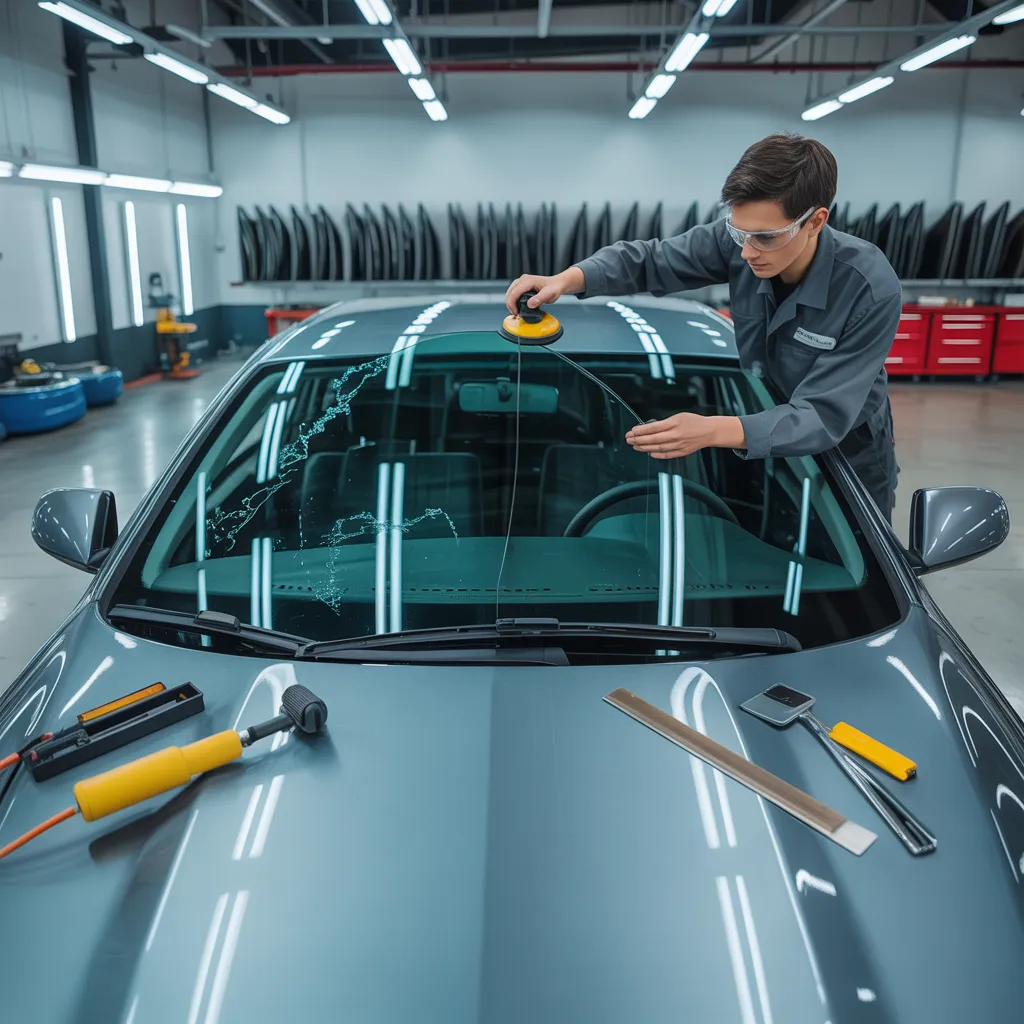
Why Neglecting Auto Glass Damage Can Cost You Dearly
Disregarding auto glass damage can seem like a small problem, but it can lead to major complications. A large number of drivers underestimate how damaging cracks or chips can be, believing they pose no immediate threat. However, neglecting these issues often results in compromised structural integrity, which can compromise the overall safety of the vehicle. A compromised windshield could be unable to deliver proper support during a crash, increasing the risk of injury. Moreover, small imperfections can intensify over time because of temperature shifts or road vibrations, causing more comprehensive repairs that are far more expensive. Insurance providers might also apply greater deductibles for more substantial repairs, making timely action critically important. In the end, overlooking auto glass damage not only threatens safety but may also generate financial strain that could have been prevented with prompt repairs. Focusing on auto glass upkeep provides a safer driving experience and limits unnecessary expenditures in the long term.
How Small Chips Can Lead to Major Repairs
Small chips in auto glass may seem insignificant at first, but neglecting them can escalate into larger issues. Over time, these minor damages can lead to costly replacements and safety hazards. Taking care of minor chips quickly can avoid major repairs and help drivers save money over time.
Overlooking Minor Damage
A seemingly insignificant crack in a windshield can set off a chain reaction of costly repairs if not promptly treated. At first, small damage may seem insignificant, but environmental conditions including heat, cold, and humidity can worsen the problem. As time passes, these minor chips can grow into significant cracks, weakening the windshield's overall structure. This leads to higher repair expenses while posing greater safety hazards for passengers. Neglecting even minor damage can result in the need for a full windshield replacement. As a result, addressing even the smallest chips promptly is essential in preventing further complications and guaranteeing long-term safety and cost efficiency.
Costly Replacement Risks
Failing to address minor chips may result in unforeseen expenses for full replacement. What might appear to be a minor imperfection has the potential to weaken the structural integrity of the windshield, leading to rapid crack expansion. Increased stress from temperature changes, road vibrations, and even minor impacts can intensify these imperfections. When the deterioration advances, the only feasible course of action may require total windshield replacement, which is significantly costlier than a basic repair service. Furthermore, insurance policies often cover repair costs more favorably than replacements, making timely intervention financially prudent. In the end, addressing minor chips promptly not only protects the automobile's value but also guarantees the safety of its occupants by preserving optimal visibility and structural integrity.
Dangers of Cracked Windshields
Although many drivers tend to ignore the significance of a cracked windshield, the reality is that such damage poses serious safety hazards. A crack can impair a driver's vision, substantially elevating the risk of accidents. Even small flaws can distort vision, making it challenging to spot pedestrians, traffic lights, or surrounding vehicles.
Additionally, in the case of a collision, a cracked windshield could compromise the structural stability of the vehicle. Windshields are engineered to support the roof during collisions; a cracked windshield can be unable to offer this vital stability, elevating the probability of injury.
Additionally, airbags depend on the windshield for appropriate deployment. If a crack exists, the airbag may not function as intended, further compromising the safety of occupants. Ultimately, addressing windshield damage without delay is essential to secure both driver and passenger safety on the road. Ignoring such issues can lead to severe consequences that far outweigh the cost of prompt repairs.
Repair or Replace Your Windshield?
Figuring out whether to repair or replace a windshield can prove to be a tough call for many drivers. Multiple factors impact this determination, including the size, location, and type of damage. Small chips and cracks, typically less than six inches, can often be repaired effectively without compromising safety. That said, when the damage is widespread or falls within the driver's field of vision, replacing the windshield may be essential to maintain proper visibility.
Additionally, the condition and age of the windshield come into consideration; windshields that are older may be at greater risk of further damage. Coverage from insurance can also affect the decision, as some policies may pay for repair expenses while other policies may encourage replacement. In the end, vehicle owners must weigh the immediate costs against the possible safety risks and lasting consequences. Making a well-informed decision can enhance vehicle safety and preserve check here the integrity of the automobile.
Picking the Right Auto Glass Repair Service
Once you have determined whether to repair or replace a windshield, the following step requires finding the ideal auto glass repair provider. Assessing multiple considerations is necessary to secure quality and dependability. Initially, reputation serves as an important element; services with positive customer reviews and testimonials often indicate trustworthiness. Additionally, checking for certifications and affiliations with industry organizations can provide assurance of professional standards.
An additional key consideration is the offering of warranties on repairs. A service that offers a warranty shows trust in their craftsmanship and commitment to customer satisfaction. Furthermore, the use of high-grade materials is critical; choosing a service that uses original equipment manufacturer (OEM) glass guarantees long-lasting performance and safety.
Additionally practicality should not be overlooked. Mobile repair services can help save both time and effort. By thoroughly assessing these elements, people can reach a well-informed decision, thereby protecting their vehicle's safety and functionality.
The Enduring Benefits of Quick Repairs
Swift auto glass repairs offer more than just safety improvements, delivering substantial long-term advantages for vehicle owners. Addressing chips and cracks swiftly prevents further damage, that might otherwise lead to costlier and more extensive repairs. By preserving the structural integrity of the glass, owners are able to sidestep structural complications resulting from weakened glass, providing a safer and more secure driving experience.
Moreover, quick repairs can favorably affect the car's value upon resale. A properly cared for car with unbroken glass is more attractive to interested buyers, indicating attentive maintenance. Insurance carriers often favor swift restoration, which can lead to more affordable coverage and a lower number of claims over time.
Additionally, tackling auto glass problems in a timely manner can improve clarity and comfort while driving, lowering the chance of mishaps due to blocked sightlines. When all is considered, emphasizing prompt restoration supports long-term financial savings and contributes to your vehicle's long-term safety.
Frequently Asked Questions
How Do I Know if My Windshield Requires Repair?
A windshield may need attention if chips or cracks develop, especially if they obstruct the driver's visibility. Moreover, stress fractures or significant damage can undermine the structural integrity, necessitating prompt attention to guarantee safety and functionality.
Does My Insurance Cover Auto Glass Repairs?
Many car coverage plans provide coverage for glass repairs, usually with a low or waived deductible. Insurance holders should review their specific coverage details or reach out to their insurance provider to determine the extent of their benefits related to car glass repair coverage.
What Types of Auto Glass Can Be Repaired?
Multiple kinds of automotive glass are suitable for repair, including front windshields, side windows, and rear windows. Surface chips, cracks, and scratches can frequently be repaired, according to their size and location, safeguarding vehicle integrity and promoting driver safety.
How Long Will an Auto Glass Repair Take?
A typical auto glass repair usually takes 30 minutes to two hours on average, depending on the extent of the damage and the type of glass involved. Elements such as technician skill level and shop demand may also affect the overall time.
Can I Drive With a Damaged Windshield?
Getting behind the wheel with a compromised windshield is not advisable. It may impair your line of sight, increase accident risk, and could result in traffic violations. Taking immediate action on repairs while keeping safety in mind is necessary for maintaining proper vehicle safety.